
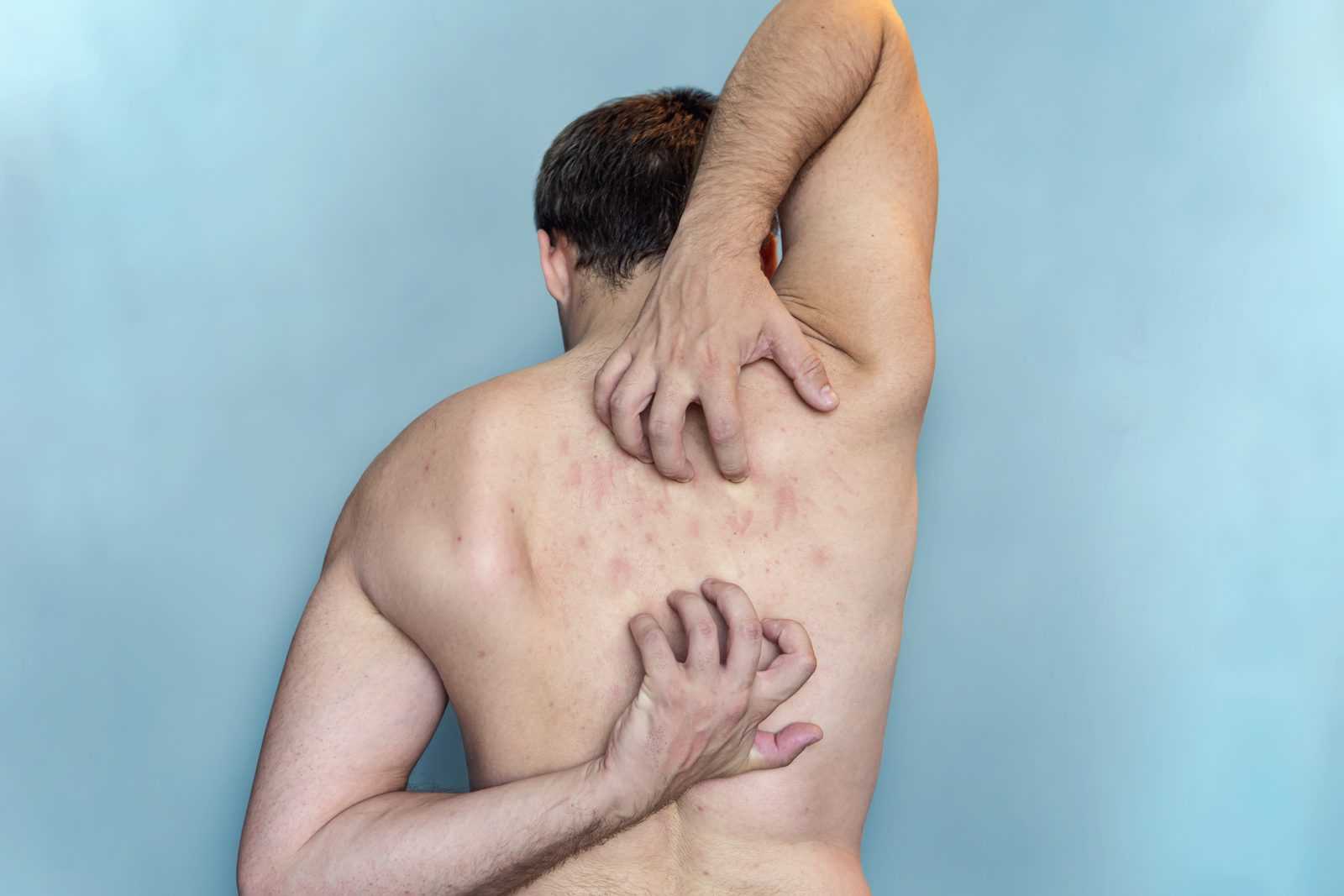
TRT Acne Guide: How Testosterone Replacement Therapy Triggers Back Breakouts (and What to Do)
Introduction
Testosterone Replacement Therapy (TRT) has become a common treatment for men who have low testosterone levels and symptoms such as low energy, reduced muscle mass, mood changes, and decreased libido. As more people begin TRT, there is also growing interest in understanding the side effects that can appear during treatment. One of the most frequent and frustrating side effects is acne, especially on the back. Many people expect acne to be something that mostly affects teenagers, so it can be surprising and even confusing when breakouts begin after starting a medical hormone therapy as an adult. Because of this, many individuals search for clear explanations of why acne develops on TRT and how to manage it.
Back acne, often called “bacne,” is one of the most common forms of acne linked to TRT. It tends to show up because the skin on the back has a high concentration of oil glands. These oil glands, also known as sebaceous glands, respond strongly to hormones—especially androgens like testosterone. When someone begins TRT, their testosterone level increases, and in many cases, so does their level of dihydrotestosterone (DHT), a stronger form of testosterone. DHT has a powerful effect on sebaceous glands and can cause them to produce more oil. While this is a normal biological response, it can lead to clogged pores, inflammation, and acne flare-ups.
Another reason back acne is so common during TRT is that the skin on the back is thicker than the skin on the face. With thicker skin, pores can become clogged more easily, especially when oil production rises. Sweat, friction from clothing, and heat can also trap oil and dead skin cells against the surface, creating an environment where acne-causing bacteria can grow. When these factors combine with increased androgens from TRT, back acne can become noticeable within weeks to months of starting therapy.
Understanding these changes is important because acne can affect comfort, confidence, and quality of life. Some people may even wonder if the acne means TRT is harming their health or if they are doing something wrong. In most cases, acne from TRT is simply a response to hormonal shifts, not a sign of an allergic reaction or a dangerous problem. Still, the breakouts can be painful, persistent, or embarrassing, and many people want practical ways to reduce or prevent them.
The goal of this guide is to explain, in clear and simple terms, exactly how TRT can trigger back acne and what can be done about it. The focus is on helping readers understand the science behind the breakouts in a way that is easy to follow, even for someone without a medical background. By learning how testosterone interacts with the skin, why certain people are more likely to develop acne, and what treatments are supported by evidence, readers can feel more prepared to manage this side effect.
This guide also offers detailed information on what steps can reduce acne, including skincare methods, medical treatments, lifestyle changes, and adjustments in how TRT is managed. Many people find that once they understand the connection between hormones and the skin, it becomes easier to choose the right approach. Some may need only simple daily habits to keep their skin clear, while others may need medical treatments if the acne becomes severe.
It is also important for readers to know that healthcare providers see TRT-related acne often. Because of this, there are many established, safe, and effective ways to treat it. With the right strategy, most people can continue TRT without ongoing skin problems.
This article will walk through these topics step by step, using easy-to-understand language while still giving detailed medical information. By the end, readers should feel confident in knowing what is happening in their bodies, why their skin is reacting this way, and which options can help them manage or prevent back acne while still getting the benefits of TRT.
How TRT Works: The Basics of Hormone Physiology
Testosterone Replacement Therapy, or TRT, is a medical treatment used when a person’s natural testosterone levels are too low. Testosterone is an important hormone. It supports muscle growth, bone strength, libido, red blood cell production, and overall well-being. When levels drop below the normal range, a person may experience fatigue, low mood, weakness, or changes in sexual function. TRT aims to bring testosterone back into a healthy range by giving the body a controlled dose of the hormone.
To understand why TRT can cause back acne, it helps to know how testosterone normally works inside the body. Hormones act like chemical messengers. They travel through the bloodstream and attach to receptors in different tissues. Testosterone has receptors in many places, including the skin, hair follicles, and oil glands. When testosterone binds to these receptors, it sends signals that affect how the skin behaves.
How TRT Adds Testosterone to the Body
In a healthy adult, the testes produce most of the body’s testosterone, with small amounts made in the adrenal glands. Production is controlled by a feedback loop between the brain and the testes. When levels drop, the brain signals the testes to make more. When levels rise, the brain tells the testes to slow down.
TRT works differently. Instead of depending on natural production, TRT introduces testosterone from an outside source (called “exogenous testosterone”). This can be through injections, gels, patches, pellets, or oral medications. Because the therapy supplies testosterone directly, the brain senses that levels are rising and reduces its own signal to the testes. In many people, this leads to lower natural testosterone production over time. However, the delivered testosterone is still enough to keep blood levels stable or even higher than before treatment.
This new pattern—where testosterone comes mainly from treatment instead of the testes—changes how hormones flow and how quickly they rise and fall. These shifts affect the skin in ways that can trigger acne.
Natural Testosterone vs. TRT Dosing
A key difference between natural testosterone production and TRT dosing is the rhythm of hormone release. The body’s natural hormone system releases testosterone in small pulses throughout the day. This keeps levels within a tight range and avoids large spikes.
TRT does not always follow this gentle pattern. Some forms, especially injections, can cause testosterone to rise sharply after the dose and then fall before the next one. These swings can overstimulate the skin’s oil glands. When hormone levels spike, oil glands become more active. When levels drop, the glands slow down. Repeating this cycle can irritate the skin and lead to clogged pores.
Other TRT methods, like gels or patches, create a more steady daily level. But even steady levels are often higher than what a person’s natural system provided before treatment. The skin responds to these higher levels with increased oil production, which plays a major role in acne development.
Testosterone, DHT, and Sebaceous Glands
One of the most important reasons TRT affects the skin is the way testosterone converts into another hormone called dihydrotestosterone (DHT). DHT is a stronger form of testosterone. The body makes it through an enzyme called 5-alpha-reductase. This enzyme is found in many tissues, including the skin.
DHT has a powerful effect on sebaceous glands—the small oil-producing glands attached to hair follicles. It triggers these glands to grow larger and make more oil (sebum). This extra oil mixes with dead skin cells inside the pores. When too much builds up, pores become clogged and inflamed. This is the starting point of acne.
Back skin has a large number of sebaceous glands and produces more oil than many other areas of the body. This is why back acne is one of the most common skin side effects of TRT.
How Androgens Affect Skin Structure
Testosterone and DHT affect more than oil production. They also influence how the skin renews itself. Androgens can speed up the turnover of skin cells. When skin cells shed too quickly, they may stick together inside pores. This creates a plug that traps bacteria and oil, leading to inflammation, redness, and breakouts.
TRT can also cause slight thickening of the outer layer of the skin, a process called keratinization. Thicker skin combined with more oil makes pores easier to clog.
TRT increases testosterone in the bloodstream. Some of that testosterone converts to DHT. Both hormones stimulate oil glands and affect how skin cells grow. When these changes happen at the same time, the result is a higher chance of developing acne, especially on areas where oil glands are most active, like the back.
Why TRT Causes Back Acne: The Biological Mechanisms
Testosterone Replacement Therapy (TRT) can improve energy, mood, strength, and overall health. But it also increases the amount of testosterone in the body, and that can affect the skin—especially on the back. Back acne during TRT is common because higher androgen levels change how the skin produces oil, how fast skin cells grow, and how much inflammation develops inside the pores. This section explains these changes in simple, clear terms so you can understand exactly why breakouts happen.
TRT Increases Sebum (Oil) Production
One of the strongest links between testosterone and acne is the effect on sebaceous glands. These are small oil-producing glands located in the skin, especially on the face, chest, and back. When you start TRT, your body receives more testosterone than before, and this hormone directly stimulates the sebaceous glands.
More testosterone → more sebum (oil) → higher chance of clogged pores.
Sebum is important for skin health, but too much of it creates the perfect environment for acne. When excess oil collects in the pores, it traps dead skin cells and bacteria. This mixture forms a plug that turns into blackheads, whiteheads, or inflamed acne bumps.
The back has some of the highest concentrations of sebaceous glands in the whole body, which is why it is such a common spot for TRT-related breakouts.
Conversion of Testosterone to DHT (Dihydrotestosterone)
Another major piece of the puzzle is DHT—a more potent form of testosterone.
Your body naturally converts some testosterone into DHT using an enzyme called 5-alpha-reductase. DHT has a much stronger effect on androgen receptors in the skin, meaning it can increase oil production far more than testosterone alone.
With TRT, this conversion process often becomes more active because there is more testosterone available. As a result:
Higher TRT dose → more DHT → stronger stimulation of oil glands → more acne.
DHT is also linked to thicker, stickier oil. This type of oil blocks pores more easily and is harder for the skin to clear on its own. For many people, DHT is the main driver behind back acne during TRT.
Thickening of Skin and Increased Keratinization
Androgens like testosterone and DHT do more than increase oil. They also influence how fast skin cells grow and shed. When hormone levels rise, the top layer of the skin may produce cells at a faster rate. This can lead to:
- Thicker skin on the back
- More dead skin buildup
- Greater chance of clogged pores
This process is called hyperkeratinization. It means that skin cells inside the pore stick together instead of shedding normally. These cells mix with oil and form a blockage. This is the first step in most acne lesions.
Hyperkeratinization is especially common on the back and shoulders because the skin in these areas is already thicker than facial skin. When TRT increases this effect, the pores become even more likely to clog.
Role of Inflammation and Bacteria
Once a pore is clogged with oil and dead skin, bacteria naturally found on the skin can grow inside the blocked pore. The main bacteria involved in acne is called Cutibacterium acnes (formerly Propionibacterium acnes).
This bacteria feeds on sebum. When more oil is available, the bacteria multiply faster.
As the bacteria grow, the body’s immune system reacts by creating inflammation. This leads to:
- Redness
- Swelling
- Painful bumps
- Pus-filled pimples
On the back, this inflammation often becomes larger and deeper than on the face because back pores are bigger and the skin is thicker. TRT doesn’t cause the bacteria, but it creates the conditions—extra oil and clogged pores—that allow the bacteria to grow more easily.
Why the Back Is So Commonly Affected
Back acne is more likely than facial acne during TRT for several reasons:
- Higher density of oil glands
The upper back and shoulders have many sebaceous glands that are highly sensitive to testosterone and DHT. - Thicker skin
Thick skin is more prone to clogged pores and deeper acne lesions. - Sweat and friction
Clothing, backpacks, gym equipment, and sweating during workouts can trap heat, oil, and bacteria. This makes acne worse. - Harder to clean
The back is more difficult to reach, so regular cleansing and exfoliation are harder to maintain.
When these factors are combined with the hormonal changes of TRT, the back becomes one of the first places acne appears or becomes more severe.
TRT raises testosterone, and the body converts part of that into DHT. These hormones stimulate the oil glands, thicken the skin, and increase the chance of clogged pores. Sweat, friction, and bacteria then add inflammation on top of the clogged pores. The result is back acne that may be mild, moderate, or in some cases severe.
Understanding these mechanisms helps you see that back acne on TRT is not random—it is a predictable response to hormonal changes. With the right skin care, medical support, and dosage adjustments when needed, this type of acne can be managed effectively.
Risk Factors: Who Is Most Likely to Develop TRT-Related Back Acne
Not everyone who starts Testosterone Replacement Therapy (TRT) will get back acne, but some people are more likely to develop it than others. Back acne forms when hormones stimulate the skin’s oil glands, which can lead to clogged pores, inflammation, and bumps on the upper back, shoulders, and sometimes the chest. Understanding your personal risk factors can help you prepare, take early action, and manage symptoms more effectively. Below are the main factors that increase the chances of experiencing back acne while using TRT.
Age: Younger vs. Older TRT Patients
Younger adults—especially men in their 20s and 30s—tend to produce more natural oil in the skin even before starting TRT. Their oil glands are often more sensitive to changes in androgens such as testosterone and dihydrotestosterone (DHT). When TRT raises hormone levels, these already active oil glands may respond strongly, increasing the chances of clogged pores and breakouts.
Older adults can still get TRT-related acne, but it may occur less often or be milder. This is because oil gland activity naturally slows with age. However, if someone older receives a higher dose or has a strong sensitivity to hormone changes, back acne can still appear.
History of Acne in Adolescence
One of the strongest predictors of TRT-related acne is a past history of acne during the teenage years. People who struggled with teenage acne often have:
- More active sebaceous (oil) glands
- Higher sensitivity to androgens
- A tendency toward clogged pores
- A genetic pattern that increases acne risk
These same biological traits do not disappear in adulthood. When TRT increases hormone levels, the skin may respond in ways similar to adolescence, especially on the back. Even people who are long past their teenage breakouts may notice that starting TRT “reactivates” that old pattern.
Genetic Predisposition to High DHT Sensitivity
DHT is a more potent androgen that forms when testosterone is converted by an enzyme called 5-alpha reductase. Some people naturally convert more testosterone into DHT or have skin that reacts strongly even to normal DHT levels.
Genetic traits that increase risk include:
- High 5-alpha reductase activity
- Oil glands that respond strongly to DHT
- A family history of acne, early hair loss, or oily skin
People with these traits may find that even normal TRT doses cause noticeable changes in the skin. Because DHT plays a key role in cycle-driven acne, higher sensitivity often translates into more back acne.
High-Dose or Supraphysiologic Testosterone Use
Higher testosterone levels can increase the activity of sebaceous glands, lead to thicker skin cells, and raise DHT levels. All of these raise acne risk.
Individuals at higher risk include:
- People taking doses above prescribed levels
- Those using bodybuilding or performance-enhancing levels of testosterone
- Patients adjusting their dose without supervision
- Individuals whose prescription results in unusually high peak levels after injections
Large hormone swings, such as very high peaks after weekly injections, often trigger more back acne than stable doses do. The body reacts to these hormone spikes by producing much more skin oil, which leads to clogged pores and inflammation.
Sweat, Friction, and Lifestyle Contributors
Lifestyle plays a major role in back acne. These factors can worsen how often pores become blocked or irritated.
Heavy sweating
Sweat does not cause acne by itself, but sweat mixed with oil, bacteria, and dead skin cells can clog pores. This is especially common in people who:
- Exercise daily
- Wear tight workout clothes
- Live in hot or humid climates
- Do not shower soon after sweating
Friction or pressure
Anything that rubs against the skin can irritate pores and make acne worse. Examples include:
- Gym bags or heavy backpacks
- Tight shirts, compression shirts, or shoulder straps
- Sports gear like pads and chest protectors
- Bed sheets that are not washed often
This combination of sweat + friction + oil production can create a “perfect storm” for back acne.
Hygiene habits
Back skin is harder to reach and clean well. People who do not regularly wash the back with acne-friendly cleansers may experience more breakouts. Not changing sweaty clothing quickly can also trap bacteria and oil against the skin.
People are more likely to develop TRT-related back acne if they are younger, had acne during their teen years, have a genetic sensitivity to DHT, use high or fluctuating doses of testosterone, or engage in activities that increase sweat and friction. Knowing these risk factors helps individuals and clinicians make better choices about skin care, dosing, and lifestyle habits to reduce breakouts while staying on TRT.
The Influence of TRT Formulations on Acne Severity
Testosterone Replacement Therapy (TRT) can be given in several forms, and each one affects the body in a slightly different way. These differences can change how often acne appears, how severe it becomes, and how long breakouts last. Understanding how each method works can help people and their clinicians make better choices when acne becomes a problem. Below is a clear and detailed explanation of how injections, gels, patches, pellets, and oral testosterone can influence back acne.
How Different TRT Methods Change Hormone Levels
The main reason TRT methods affect acne differently is that each one creates a unique pattern of testosterone levels in the bloodstream. Some forms produce very steady, even hormone levels. Others create “peaks and troughs,” which means testosterone levels rise high after a dose and then fall before the next dose. Large rises in testosterone can increase the conversion of testosterone to dihydrotestosterone (DHT), a stronger androgen that boosts oil production in the skin. High DHT levels can cause more clogged pores, inflammation, and breakouts—especially on the back.
Testosterone Injections and Acne Severity
Testosterone injections are one of the most common TRT forms. They are usually given every 1 to 14 days depending on the dose and type of injection.
How injections affect acne:
- Sharp hormone peaks: After an injection, testosterone levels often rise quickly. These peaks can trigger increased sebum (oil) production and more DHT conversion. This makes acne more likely.
- Strong hormone swings: When levels drop before the next shot, the sudden changes can stress the skin’s oil glands and increase inflammation.
- Higher acne risk: Among the different TRT methods, injections are often linked with more noticeable acne, especially in people sensitive to hormonal shifts.
Longer-lasting injections (long-acting esters):
Some injections release testosterone slowly for several weeks. These can reduce the number of peaks and troughs but may still cause breakouts in people who react strongly to androgens.
Topical Testosterone Gels and Acne
Gels are applied once daily, and because they absorb through the skin slowly, they tend to keep testosterone levels more stable.
How gels influence acne:
- Steadier hormone levels: This reduces sudden spikes in testosterone and may lower acne risk.
- Skin contact issues: If the gel touches areas prone to acne, it may irritate the skin or cause local breakouts.
- Lower DHT spikes: Gels generally produce fewer large rises in DHT compared to injections.
Many people who switch from injections to gels notice a decrease in acne severity due to these steadier levels.
Testosterone Patches
Patches release testosterone gradually over 24 hours.
Effects on acne:
- Very stable hormone delivery: This method provides one of the smoothest testosterone curves.
- Lower acne rates: Because there are fewer hormonal ups and downs, many people experience fewer breakouts.
- Skin irritation: Some users develop redness or irritation at the patch site, but this is different from acne.
Patches are often a helpful choice for people sensitive to hormone fluctuations.
Testosterone Pellets
Pellets are inserted under the skin and release testosterone slowly over three to six months.
Influence on acne:
- Stable testosterone: Pellets often maintain a steady hormone level with minimal spikes.
- Early adjustment period: Acne may appear during the first few weeks if levels rise quickly after insertion.
- Lower long-term impact: Once levels settle, acne tends to improve or remain mild.
Pellets can be a good option for people who prefer long-term stability.
Oral Testosterone
Newer oral testosterone formulations exist, but they are still less common than gels or injections.
Impact on acne:
- Variable absorption: Oral forms can cause fluctuations depending on how the body absorbs each dose.
- Moderate acne risk: The risk is not as high as injections but can be more than gels or patches.
Steady-State vs. Fluctuating Hormone Levels
One of the strongest predictors of acne severity is hormone stability. Methods that produce:
- Large peaks in testosterone (like injections) → higher acne risk
- Consistent, steady levels (like gels, patches, pellets) → lower acne risk
This is mainly because sudden increases in testosterone raise DHT production. DHT stimulates the sebaceous glands, leading to more oil, more clogged pores, and more inflammation.
The type of TRT a person uses can play a major role in whether they experience back acne and how severe it becomes. Injections tend to produce more breakouts because they cause sharp hormone spikes. Gels, patches, and pellets provide smoother hormone levels and often lead to fewer skin issues. Understanding these differences helps people work with their clinician to choose a method that supports their health while keeping acne under better control.

Diagnostic Considerations: When Back Acne Suggests Hormonal Imbalance
Back acne can be a normal side effect during the early months of Testosterone Replacement Therapy (TRT). Many people notice small changes in their skin as hormone levels rise and adjust. However, acne can sometimes signal that something in the hormone plan is out of balance. This section explains when back acne may be linked to hormone issues, what tests a clinician may order, and how they decide if acne is related to TRT or another skin condition.
Understanding When Hormone Levels Matter
Back acne becomes more likely when certain hormone levels rise too high or fall too low. Testosterone itself can increase oil production in the skin, but the situation becomes more complex when other hormone values shift. Three main hormones play the largest role:
Testosterone
- TRT raises testosterone.
- A sudden jump or ongoing high peak may cause more sebum (oil) on the skin.
- High sebum can clog pores and trigger inflammation.
Dihydrotestosterone (DHT)
- DHT is a stronger form of testosterone.
- The body makes DHT when an enzyme (5-alpha reductase) converts testosterone.
- DHT can make sebaceous glands more active.
- High DHT levels often show up as back acne, skin oiliness, or body hair changes.
Estradiol (E2)
- Estradiol is a type of estrogen that men also need in small amounts.
- When estradiol is too low or too high, the skin can react.
- Low estradiol may increase inflammation.
- High estradiol may signal hormone conversion (aromatization) issues and can affect overall hormone balance.
When any of these hormones move outside the ideal range, acne can become more severe or consistent.
When Testing May Be Needed
A clinician may order blood tests if back acne is:
- New and severe shortly after starting TRT
- Worsening over time
- Not responding to routine skincare
- Accompanied by other symptoms like mood changes, hair shedding, or breast tenderness
- Cystic, painful, or causing scars
Lab tests help show whether the acne is a direct response to hormone changes or a sign of a dosing or absorption problem.
Typical tests may include:
Total Testosterone
Shows how much testosterone is in the bloodstream.
Free Testosterone
Shows how much testosterone is available for tissues to use. High free testosterone may lead to more DHT and more acne.
SHBG (Sex Hormone Binding Globulin)
- SHBG controls how much free testosterone is available.
- Low SHBG means more free testosterone, which can make acne worse.
- High SHBG may reduce free testosterone and cause different side effects.
DHT (Dihydrotestosterone)
If DHT is high, it may explain oilier skin and back acne flare-ups.
Estradiol (E2)
This test helps determine if estrogen levels are contributing to inflammation.
A clinician may also look at thyroid levels, lipids, or liver function to get a complete health picture, especially if acne is severe or other symptoms appear.
How Clinicians Decide Whether Acne Is Hormonal
Back acne during TRT may be hormonal if:
- It began soon after a change in dose or injection schedule.
- It follows a pattern of worsening right after testosterone peaks.
- Lab tests show high or low values outside the expected therapeutic range.
- The acne appears on hormone-sensitive areas like the upper back, shoulders, or chest.
Hormonal acne often has these features:
- Deep, painful bumps
- Clusters of inflamed pimples
- Clogged pores and oily skin
- Breakouts that appear in waves or cycles
- Acne that worsens after injections or dose changes
A clinician will review symptoms, timing, and lab values to connect these patterns.
Conditions That Can Be Mistaken for Acne
Some skin conditions look like acne but are not related to hormone levels. Proper diagnosis is important so the right treatment is used.
Folliculitis
- Infection or irritation of hair follicles
- Can be triggered by sweat, friction, or bacteria
- Often produces small, itchy red bumps
Keratosis Pilaris
- Rough, dry bumps often on the arms or back
- Not caused by hormones
- Does not improve with acne medication
Fungal Acne (Malassezia Folliculitis)
- Caused by yeast, not bacteria
- Often appears as small uniform bumps
- Can get worse with sweat and hot environments
If any of these conditions are present, hormone changes alone may not be the cause, and treatment will differ from standard acne care.
Diagnosing hormone-related back acne during TRT requires a careful look at symptoms, timing, and laboratory results. Clinicians use hormone tests to understand whether acne is a temporary adjustment or a sign of imbalance. They also rule out other skin conditions that mimic acne. When hormone levels are corrected or stabilized, most people see improvement in their skin over time.
Evidence-Based Skincare Strategies for Managing TRT Back Acne
Back acne during Testosterone Replacement Therapy (TRT) can be frustrating, painful, and embarrassing. The good news is that most people can manage it well with the right skincare routine. Back acne is usually caused by a mix of excess oil, clogged pores, sweat, friction, and hormonal changes. TRT increases androgen levels, which then raise sebum (oil) production in the skin. Because the back has many oil glands, it is a common place for breakouts.
This section explains evidence-based skincare steps you can follow. These methods are widely used in dermatology and can help reduce both mild and moderate TRT-related back acne. Each method works best when used consistently over time.
Daily Cleansing Routines for Back Skin
A simple, consistent cleansing routine is one of the strongest tools for managing breakouts. Acne often becomes worse when sweat, oil, and dead skin cells build up on the back.
Key steps for daily cleansing:
- Wash the back once or twice a day using a gentle, non-irritating cleanser
- Avoid harsh bar soaps that strip too much oil, which may cause the skin to produce even more oil in response
- Use lukewarm water, not hot water, because hot water can dry out and irritate the skin
- Rinse thoroughly so no product residue remains, since leftover soap can clog pores
The goal is to keep pores clear without over-washing. Over-cleansing can irritate the skin and worsen inflammation.
Benzoyl Peroxide Washes
Benzoyl peroxide (BP) is a main treatment used by dermatologists. It targets the bacteria involved in acne and reduces inflammation.
How benzoyl peroxide helps:
- Kills acne-causing bacteria
- Reduces redness and swelling
- Helps prevent new breakouts
For back acne, BP wash concentrations between 5% and 10% are commonly used. A wash-off formula works well for the back because it is easier to apply over a large area.
Tips for using BP:
- Apply the wash in the shower and leave it on the skin for 1–2 minutes before rinsing
- Start with a lower strength if you have sensitive skin
- Be aware that BP can bleach clothing and towels
Consistency is important. Most people see clearer skin after several weeks.
Salicylic Acid, Mandelic Acid, and Retinoids
These ingredients help by improving how skin sheds dead cells and prevents pore clogging.
Salicylic Acid (SA)
Salicylic acid is a beta hydroxy acid (BHA). It is oil-soluble, which means it can enter pores and dissolve trapped debris.
Benefits include:
- Unclogs pores
- Reduces blackheads and whiteheads
- Gently exfoliates without scrubbing
SA body washes or sprays (2%) can be used daily or every other day.
Mandelic Acid
Mandelic acid is an alpha hydroxy acid (AHA) made from almonds. It is more gentle than other acids and is useful for people with sensitive skin.
It helps by:
- Reducing buildup of dead skin
- Brightening dark marks after acne heals
- Lowering inflammation
Mandelic acid is useful for darker skin tones because it has a lower risk of causing irritation or hyperpigmentation.
Topical Retinoids (Adapalene, Tretinoin)
Retinoids help keep pores from becoming clogged and support new cell turnover.
They work by:
- Reducing keratin plugs
- Keeping follicles open
- Improving long-term skin texture
Retinoids may cause dryness at first, so starting slowly (2–3 times per week) is recommended.
Non-Comedogenic Moisturizers
Moisturizing might sound counterintuitive when dealing with oily or acne-prone skin, but proper hydration helps the skin barrier stay healthy. When the skin becomes too dry, it may produce even more oil, which can worsen acne.
Choose moisturizers labeled non-comedogenic, meaning they will not clog pores.
Good types include:
- Lightweight lotions
- Gel-based moisturizers
- Products with ceramides or hyaluronic acid
Moisturize once daily or as needed.
Exfoliation Techniques That Avoid Irritation
Exfoliation helps remove dead skin cells, but too much can cause redness, peeling, and even more breakouts.
Safe exfoliation tips:
- Avoid rough physical scrubs or loofahs
- Do not use brushes, back scrubbers, or gritty products
- Choose chemical exfoliants instead (like salicylic or mandelic acid)
- Limit exfoliation to a few times a week
Gentle exfoliation keeps pores clear without damaging the skin barrier.
Showering After Sweat-Producing Activities
Sweat itself does not cause acne, but sweat mixed with oil, dirt, and tight clothing can clog pores.
To prevent this:
- Shower as soon as possible after exercise or heavy sweating
- Use a benzoyl peroxide or salicylic acid wash during your post-workout shower
- Avoid sitting in sweaty clothes for long periods
- Wash gym shirts and compression wear frequently
Quick showering helps remove bacteria and pore-blocking materials before they irritate the skin.
Together, these steps create a strong skincare foundation for managing TRT back acne. When used consistently, they can improve both the severity and frequency of breakouts. If acne does not improve after several weeks, combining skincare with medical treatments (discussed in the next section) may be necessary.
Medical Treatments for Moderate to Severe Back Acne
When back acne caused by Testosterone Replacement Therapy (TRT) becomes moderate or severe, over-the-counter products are often not enough. In these cases, medical treatments can play an important role. Medical therapies focus on reducing inflammation, lowering bacteria on the skin, controlling oil, and preventing new clogged pores from forming. This section explains the most common medical options in simple, clear terms so you know what each treatment does and when it might be used.
Topical Antibiotics (Clindamycin, Erythromycin)
Topical antibiotics are medicines that you apply directly to the skin. Doctors often prescribe clindamycin or erythromycin for acne that is inflamed but not yet severe. These medications help by:
- Lowering the amount of acne-causing bacteria on the skin
- Reducing redness and swelling
- Making active breakouts heal faster
Topical antibiotics work best when paired with benzoyl peroxide. This combination helps prevent antibiotic resistance, which can happen when bacteria become harder to treat over time. Benzoyl peroxide boosts effectiveness by killing bacteria in a different way. Many dermatologists recommend using benzoyl peroxide once daily and applying the topical antibiotic once or twice daily, depending on the prescription.
Because back skin is thicker than facial skin, these medicines may need consistent use for several weeks before you see noticeable improvement. Topical antibiotics are usually mild and safe, and most people tolerate them well.
Oral Antibiotics (Doxycycline, Minocycline)
When acne is more widespread or painful, topical treatments may not be enough. Oral antibiotics like doxycycline or minocycline can help control deeper inflammation. These medications work inside the body, so they can reduce swelling in areas that are hard to reach with creams or washes.
Oral antibiotics help by:
- Reducing bacteria in hair follicles
- Lowering inflammation that causes cysts and nodules
- Calming redness and tenderness
Most people take these medicines for several months, not just a few days. They are often used while topical treatments continue working on the surface of the skin. Doctors usually do not keep patients on oral antibiotics for long-term use, since long use can lead to resistance or stomach problems. Once the acne improves, the goal is to switch back to mostly topical medications.
Doxycycline can sometimes cause sun sensitivity, so sun protection is important. Minocycline may cause dizziness in some people. These risks are usually manageable, but it is important to follow the prescriber’s instructions.
Oral Isotretinoin for Severe or Refractory Cases
For the most severe back acne—especially when cysts, scarring, or frequent flare-ups occur—oral isotretinoin may be recommended. This medication (often known by former brand names like Accutane) is the strongest acne treatment available.
Isotretinoin works by:
- Dramatically reducing the size and activity of sebaceous glands
- Lowering oil production
- Preventing clogged pores
- Reducing bacteria
- Reducing inflammation
Because TRT increases oil production through androgens, isotretinoin is sometimes the only treatment strong enough to counter this effect. A typical treatment course lasts 4 to 6 months. Many people see long-term improvement after completing it.
However, isotretinoin requires careful medical monitoring, including blood tests. It can cause dry skin, chapped lips, and other side effects. Even though it is powerful, it can be very effective for people whose acne has not improved with antibiotics or topical medicines.
Hormonal Modulation Strategies (When Clinically Appropriate)
Acne during TRT often appears when hormone levels fluctuate or when there is extra conversion of testosterone into dihydrotestosterone (DHT). In some cases, a clinician may adjust TRT to stabilize levels. Hormonal strategies may include:
- Adjusting the testosterone dose
- Changing the frequency of injections to reduce peaks
- Reviewing estradiol levels
- Checking DHT levels if symptoms suggest high conversion
These strategies are medical decisions that must be made by a clinician. They do not necessarily involve lowering testosterone to low levels. Instead, they focus on balancing hormones to reduce acne triggers while still supporting TRT goals.
When to Involve a Dermatologist
A dermatologist should be involved when:
- Back acne is very painful, cystic, or leaves scars
- Acne does not improve after several months of treatment
- Oral isotretinoin may be needed
- Skin infections or unusual reactions occur
- You are unsure whether the bumps are acne or another condition
Dermatologists can provide advanced treatments, stronger prescriptions, and personalized plans that balance TRT needs with skin health.
TRT Management Approaches That May Reduce Acne
Testosterone Replacement Therapy (TRT) can sometimes trigger or worsen back acne, especially during the first several months of treatment. While skincare and medical treatments help, adjusting how TRT is managed can also play a big role. Acne often develops when hormone levels rise too high or swing too quickly. In this section, we explore how changes to dosage, timing, and formulation—guided by a clinician—can help reduce these breakouts.
Discussing Dose Adjustments With a Prescribing Clinician
One of the first steps in managing TRT-related back acne is to look at the testosterone dose itself. Acne often appears when testosterone levels are higher than the body can comfortably handle. High levels can increase the production of dihydrotestosterone (DHT), which makes skin glands produce more oil. More oil can clog pores and lead to inflammation.
If acne begins shortly after starting TRT or becomes more severe over time, it may be a sign that the therapy dose is too strong for the individual. A clinician can check blood levels to see if testosterone is above the target range. If so, the dose may be safely lowered without reducing the benefits of therapy. Even a small decrease can help stabilize skin oil levels and reduce breakouts.
It’s important not to change the dose alone. Hormone therapy must be clinically supervised because too little testosterone can bring back symptoms like fatigue, mood changes, or low libido. The goal is to find a dose that supports health but does not overwhelm the skin.
Adjusting Timing and Frequency of Injections to Reduce Peaks
Many people on TRT receive testosterone through injections. This method can create patterns where hormone levels rise very high right after an injection and then slowly fall until the next dose. These “peaks and troughs” can stress the skin and worsen acne because the sudden spike in hormones increases oil production.
A common solution is to change how often injections are given. Instead of one large injection every one or two weeks, some patients benefit from smaller, more frequent injections—for example, once or twice a week. This approach keeps hormone levels steadier and reduces the dramatic spikes that can trigger breakouts.
Splitting doses does not usually change the total weekly amount of testosterone. It only changes how evenly the body receives it. Many clinicians now see this as a helpful strategy for reducing side effects while keeping therapy effective.
Other injection techniques may also matter. For example, ensuring consistent injection sites and proper technique may help the body absorb the hormone more evenly, which can support more stable hormone levels.
Monitoring Estradiol and DHT: How Imbalances Affect Skin
While testosterone itself can contribute to acne, two other hormones—estradiol and DHT—also play important roles. These hormone levels often shift once TRT begins.
DHT (dihydrotestosterone):
DHT is a powerful form of testosterone that directly affects skin glands. Some people convert more testosterone into DHT than others. High DHT levels can trigger more oil production and inflammation in the skin, which may lead to acne on the back, shoulders, and chest. If acne becomes severe, a clinician may test DHT levels to see if they are outside the normal range.
Estradiol:
Estradiol is produced when testosterone is converted by an enzyme called aromatase. This hormone is important for mood, bone strength, sexual health, and cardiovascular protection. However, when estradiol is too high or too low, it can influence skin stability. Low estradiol may dry the skin, while high levels may contribute to inflammation. A balanced range supports healthier skin overall.
A clinician can evaluate both estradiol and DHT through blood tests. If either hormone is imbalanced, small changes to TRT dosing, frequency, or formulation may help correct the issue. Any treatment approach should aim to improve skin health without disrupting the benefits of testosterone therapy.
Evaluating Whether Switching TRT Formulations May Help
Not all TRT delivery methods affect the skin in the same way. People respond differently to injections, gels, patches, pellets, or oral testosterone. For example, injections often cause sharper hormonal peaks, which can increase the likelihood of acne. In contrast, gels or patches provide a steady daily dose, which may be easier on the skin.
If acne remains persistent despite skincare and dose adjustments, switching to another formulation may help. A clinician can guide this decision after reviewing hormone levels, lifestyle factors, and the severity of acne. Changing formulations does not necessarily affect the overall treatment goals, but it can significantly change how the skin responds to treatment.
Managing TRT to reduce acne is a careful balance. Adjusting the dose, changing injection frequency, monitoring hormones like DHT and estradiol, or switching to a different TRT method can all help make acne more manageable. These steps should always be taken with guidance from a clinician who can track hormone levels and overall health. Through thoughtful adjustments, many individuals find a TRT plan that supports their well-being while keeping their skin clearer and healthier.
Lifestyle Measures That Support Clearer Skin During TRT
Lifestyle habits play a big role in how the skin reacts to testosterone replacement therapy (TRT). While hormones can trigger acne, everyday factors—such as diet, clothing, shower habits, sleep, and stress—can make breakouts better or worse. The good news is that most of these factors are within your control. By making a few steady changes, you can lower inflammation, reduce clogged pores, and support healthier skin overall. Below is a detailed, easy-to-follow guide on lifestyle steps that help manage TRT-related back acne.
Diet Patterns Linked to Acne Severity
Food does not directly “cause” acne, but certain eating patterns may raise inflammation or change hormone signals. These shifts can make acne worse, especially when your body is already adjusting to TRT.
High-glycemic foods:
Foods that spike blood sugar quickly—such as white bread, pastries, sugary drinks, sweet cereals, and candy—may increase insulin levels. Higher insulin can raise levels of insulin-like growth factor 1 (IGF-1). IGF-1 can make sebaceous glands more active and increase skin cell production, which raises the chance of clogged pores. Choosing low-glycemic foods like whole grains, beans, vegetables, and most fruits helps keep insulin steady.
Dairy products:
Some studies show that milk, especially skim milk, is linked with higher acne risk. Milk proteins can increase IGF-1 and may stimulate oil gland activity. This does not mean you must remove dairy completely. However, cutting back or switching to alternatives such as almond, oat, or coconut milk may help some people see improvement.
Balanced meals:
Focus on meals rich in whole foods—lean proteins, healthy fats, leafy greens, nuts, seeds, and colorful vegetables. These foods help reduce inflammation and support the immune system, both of which benefit the skin.
Stress Management and Its Influence on Inflammation
Stress does not cause acne by itself, but it can make acne flare-ups more intense and last longer.
How stress affects skin:
When you feel stressed, your body releases cortisol. High cortisol levels can increase inflammation and stimulate oil production. This creates a setting where acne can grow more easily.
Practical stress-reduction habits:
- Light exercise such as walking, swimming, or cycling
- Deep breathing or simple meditation
- Limiting caffeine in the afternoon
- Setting regular breaks at work
- Spending time outdoors
These small habits help lower stress hormones, which can support clearer skin over time.
Clothing Choices and Reducing Skin Friction
Clothing has a bigger impact on back acne than most people realize. Heat, sweat, and friction can trap bacteria and oil on the skin.
Choose breathable fabrics:
Look for cotton, moisture-wicking athletic fabrics, or loose-fitting tops. These allow better airflow and help sweat evaporate instead of clinging to the skin.
Avoid tight straps and heavy backpacks:
Pressure on the upper back can block pores and irritate hair follicles. If you carry a backpack, adjust the straps or switch sides to reduce friction.
Wash clothes frequently:
Shirts, gym tops, and sports bras collect sweat and oil. Wearing the same unwashed items—especially after workouts—can worsen breakouts.
Gym Hygiene and Post-Workout Routines
Sweat itself does not cause acne, but the combination of sweat, bacteria, and friction can clog pores if sweat stays on the skin too long.
Shower as soon as possible after exercise:
Rinse off sweat, oil, and bacteria before they settle into pores. If you cannot shower right away, wipe the back with a clean damp cloth or a gentle body wipe.
Avoid touching gym equipment and then your skin:
Gym equipment holds bacteria from many people. Wash your hands after workouts.
Keep workout gear clean:
Always wash gym towels, compression shirts, and sports bras after each use. Dirty items can reintroduce bacteria to the skin.
Use a post-workout cleanser:
A benzoyl peroxide or salicylic acid wash can help clear pores and reduce bacteria. Use it on days when you exercise or sweat heavily.
Sleep and Immune Regulation
Sleep plays a major role in skin repair and inflammation control. Poor sleep may increase stress hormones and weaken the immune system, making acne worse.
Aim for 7–9 hours of sleep each night:
This gives the skin time to heal and reduces cortisol levels.
Keep a regular sleep schedule:
Going to bed and waking up at the same time each day helps regulate hormone rhythms, which may support more stable skin.
Limit screens before bed:
Blue light can reduce melatonin and make falling asleep harder. Try turning off screens 30–60 minutes before bedtime.
Lifestyle habits alone may not stop all acne related to TRT, but they can significantly reduce the severity of breakouts. Improving diet quality, managing stress, making smarter clothing choices, practicing clean gym habits, and getting enough sleep help create a healthier environment for your skin. These steps work best when used alongside a consistent skincare routine and medical treatments if needed. Over time, these changes can support clearer, calmer, and healthier skin while continuing TRT safely.
When to Seek Medical Evaluation
Back acne during Testosterone Replacement Therapy (TRT) is common for many people, and in most cases it can be managed with good skincare and routine adjustments. However, there are times when back acne becomes more severe, painful, or persistent. When this happens, medical evaluation is important. Early medical care can prevent long-term problems like scarring, infections, or worsening inflammation. Below is a clear explanation of when it is best to contact a healthcare provider and what symptoms should not be ignored.
When Back Acne Becomes Cystic or Nodular
Most mild to moderate acne appears as whiteheads, blackheads, or small inflamed bumps. These are usually manageable at home. But cystic or nodular acne is different. These forms develop deep under the skin and can feel like firm, painful lumps. They may last for weeks, and some can become swollen, red, and tender.
Cystic acne forms when bacteria, oil, and dead skin cells build up deeper in the follicle. Nodular acne is similar but even firmer and lies deep in the skin tissue. Both can cause pressure and pain, especially on the back, where clothing and movement irritate the area.
Signs you should see a doctor for cystic or nodular acne:
- Large, painful bumps under the skin
- Redness and swelling that lasts longer than one to two weeks
- Pus-filled lumps that keep returning in the same areas
- Difficulty sleeping or exercising due to pain
These types of acne often need prescription medications, such as oral antibiotics, hormonal adjustments, or isotretinoin. They do not usually improve with over-the-counter treatments alone.
Scarring Risk: When Acne Leaves Marks or Indentations
Back acne can lead to different types of scars, including raised scars (keloids), thick scars (hypertrophic scars), or depressed scars (ice-pick or boxcar scars). Because the back has thicker skin, inflammation can spread more widely and damage deeper layers.
You should contact your clinician or dermatologist if:
- Acne leaves dark spots or red marks for several months
- You notice pits or indentations that do not fade
- You form thick, raised scars that grow over time
- You have a personal history of keloids from past injuries
Early treatment can stop deeper scarring from forming. Once a scar is fully formed, treatment options become more complex. Preventing scarring is much easier than correcting it later.
Persistent Acne Despite Proper Skincare
Some people do everything right—regular cleansing, showering after workouts, benzoyl peroxide washes, and avoiding heavy lotions—yet still see no improvement. This may be a sign that hormones need adjustment or that a stronger treatment is required.
Seek medical care if:
- Acne does not improve after 8–12 weeks of a consistent routine
- Acne gets worse even though your skincare is gentle and correct
- You have frequent flare-ups after each TRT dose
- Your acne improves, but then comes back strongly and repeatedly
A clinician may check your testosterone, estradiol, or DHT levels. Hormone peaks from injections, for example, can worsen acne, and adjusting dose frequency can help. Dermatologists can also prescribe stronger topical or oral medications.
Severe Irritation or Allergic Reactions
Sometimes skin symptoms are not acne at all—they are reactions to products. Back washes, lotions, or even laundry detergents may irritate the skin, especially when combined with sweating and friction from clothing.
Seek help if you notice:
- Burning or stinging after using acne products
- Red, peeling, or extremely dry patches
- A rash that spreads beyond acne areas
- Sudden itching or hives
Allergic reactions or skin irritation may require prescription creams or changes in your treatment plan. Your clinician can help identify which product is causing the reaction.
Interactions With Other Medications or Health Conditions
Your acne may be influenced by more than just testosterone. Some medications increase skin sensitivity or oil production. Health conditions like high stress, metabolic issues, and immune changes can also make acne worse.
Contact your healthcare provider if:
- You recently started a new medication and acne suddenly worsened
- You have an underlying health condition (such as diabetes or a hormone disorder)
- You use supplements that may affect hormones, like DHEA or certain herbal products
- You take steroids or medications for bodybuilding or fitness
Your clinician can help you sort out whether your acne is coming from TRT alone or from a combination of factors.
Why Early Medical Evaluation Matters
A doctor’s visit is not only for treating severe acne—it also helps prevent long-term problems. Without proper care, chronic inflammation can damage the skin and increase the risk of scars. Severe pain, infection, and sleep disruption can affect quality of life. If acne is related to hormone imbalances, adjusting TRT can improve both skin and overall well-being.
Conclusion
Testosterone Replacement Therapy can offer clear benefits for people who have low testosterone, but it can also create unwanted skin changes, including back acne. Understanding why this happens and what you can do about it can make a major difference in how you manage your treatment plan. Back acne linked to TRT usually develops because testosterone and its more active form, DHT, increase oil production in the skin. When the oil glands become more active, they produce more sebum. This thick oil can mix with dead skin cells and block pores. When pores are blocked, bacteria can grow inside them, which leads to inflammation and breakouts. The skin on the back is especially likely to develop clogged pores because it has many oil glands and is often exposed to sweat, friction, and heat.
The good news is that TRT-related acne is manageable. Many people notice that breakouts lessen once hormone levels stabilize. But even if acne continues, there are clear steps you can take to reduce it. Using the right skincare routine can support clearer skin while staying on your TRT plan. Simple daily habits, such as washing the back with a gentle cleanser, showering after workouts, and wearing loose clothing, can help prevent clogged pores. Ingredients like benzoyl peroxide and salicylic acid can help keep pores clean and reduce bacteria. For people who need stronger help, options like topical antibiotics or retinoids may be useful. In more difficult cases—such as cystic acne—oral medications or a dermatologist’s care may be needed.
Managing TRT itself can also make a difference. Hormone levels that rise and fall sharply can trigger more oil production and more breakouts. Working with your prescribing clinician to adjust your dose or change how often you take it may help keep testosterone steadier. This may reduce the peaks that worsen acne. Some people may also benefit from switching to another TRT formulation if their acne becomes difficult to manage. While not everyone will need these adjustments, they are worth discussing when breakouts continue despite good skincare.
Lifestyle choices also play a role in acne. While no single food “causes” acne for everyone, eating patterns can still affect skin. Diets high in sugar or refined carbohydrates can raise insulin levels, which may increase androgen activity and sebum production. Choosing whole foods, reducing sugary snacks, staying hydrated, and focusing on balanced meals may help support healthy skin. Stress is another factor that can worsen acne because it affects inflammation and hormone balance. Managing stress through sleep, exercise, mindfulness, or relaxation techniques can support clearer skin. Even small adjustments—like cleaning workout gear often or avoiding heavy backpacks that rub against the upper back—can make a difference.
Most importantly, people on TRT should know when acne needs medical attention. Back acne can become severe without the right treatment. Painful cysts, deep nodules, widespread inflammation, or early signs of scarring mean it is time to see a healthcare professional. A dermatologist can provide stronger treatments that protect the skin and prevent long-term marks. If acne is linked to a hormone imbalance, your TRT prescriber may check your testosterone, estradiol, SHBG, and DHT levels to see if adjustments are needed. Acne is not something you need to push through alone; medical support can make treatment much easier and more effective.
In the end, TRT-related back acne does not mean your hormone therapy is failing or unsafe. It simply shows how sensitive the skin can be to hormonal changes. With the right approach—good skincare, smart lifestyle habits, proper medical care, and thoughtful management of your TRT plan—you can control breakouts and protect your skin health. Many people find that once their hormones stabilize and they build a routine that works for them, acne becomes much easier to manage. The key is to act early, stay consistent, and work closely with your healthcare team. With patience and the right strategies, clearer skin is completely possible while continuing TRT.