
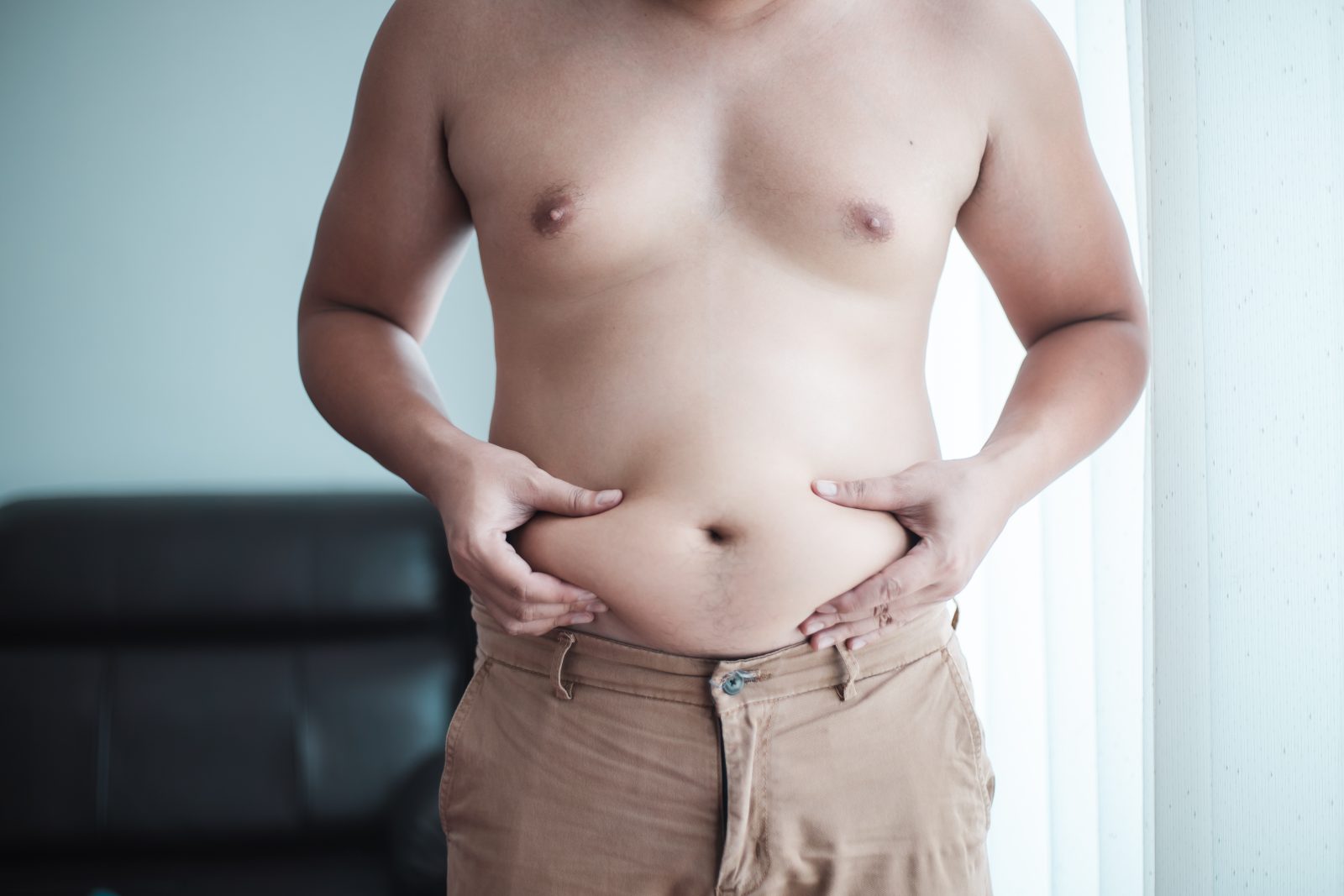
How Low T Causes Stubborn Belly Fat (And What You Can Do About It)
Introduction
Testosterone is a hormone that plays many important roles in the body. It is often thought of as the hormone linked to masculinity, strength, and muscle growth, but its job is much bigger than that. Testosterone helps regulate metabolism, supports bone strength, keeps muscle tissue healthy, and affects mood and energy levels. One of its lesser-known roles is helping guide where the body stores fat. When testosterone levels are at healthy ranges, the body is more likely to maintain lean muscle and store less fat around the abdomen. When testosterone levels fall, the balance begins to shift. Many men notice this change first as stubborn belly fat that does not seem to go away, even when they try to diet or exercise.
As people age, testosterone levels naturally decline. This usually begins slowly after the age of 30 and continues each year. For some men, this decline is mild and does not cause major changes. For others, testosterone may drop below the healthy range, leading to what is known as low testosterone, or “low T.” Low T can affect many parts of health. One of the most common and frustrating effects is the buildup of abdominal fat. Many men with low T describe a growing waistline, softer muscle definition, and a feeling that their body shape is changing in ways they cannot control. Even men who are not overweight may notice an increase in the size or firmness of the belly area.
Abdominal fat linked to low testosterone is not just about appearance. Belly fat, especially the kind that sits deep inside the abdomen around the organs, is known as visceral fat. Visceral fat is more active and can release chemicals that affect hormones, metabolism, and inflammation throughout the body. Over time, higher levels of visceral fat are linked to increased risks of insulin resistance, type 2 diabetes, cardiovascular disease, and chronic fatigue. This is why understanding the connection between low testosterone and belly fat is more than a cosmetic concern. It is a matter of long-term health.
Many people searching for answers about low T and belly fat ask similar questions. They want to know whether low testosterone directly causes belly fat, why the fat seems so hard to lose, and what they can do to fix it. It is common to wonder whether age alone is responsible or if something else is happening inside the body. Some men also question whether improving testosterone levels will help them lose belly fat, and how long that process might take. Others are curious about non-drug ways to support testosterone naturally, such as changes in diet, exercise, sleep, and stress levels.
This article will explore all of these topics in a clear and evidence-based way. It will explain how testosterone affects fat storage, why low T leads to stubborn belly fat, and what steps can be taken to address the issue. The information will be presented in simple, understandable language, without the use of personal stories or testimonials. The goal is to help readers understand their bodies better and feel informed enough to take the next step, whether that is speaking with a healthcare provider, beginning lifestyle changes, or simply paying more attention to how their hormones may be affecting their overall health.
If you have been struggling with unwanted belly fat and suspect that hormones may play a role, you are not alone. Many men experience this problem, and it is often misunderstood. Belly fat linked to low testosterone is not a sign of weakness or lack of effort. It is a biological response that makes it harder to lose fat and maintain muscle. The good news is that once you understand the connection between testosterone and fat storage, you can begin to take steps that help restore balance. This article will walk through what causes the problem and what can be done to improve it, using clear medical information that supports long-term health, strength, and well-being.
What Is Low Testosterone (“Low T”)?
Testosterone is a hormone that plays an essential role in many body functions. Although most people think of testosterone as a “male hormone,” it is present in both men and women. However, men usually have much higher levels. In men, testosterone is mainly produced in the testes, with a small amount made in the adrenal glands. It affects muscle growth, bone strength, metabolism, mood, sex drive, and how fat is stored in the body. When testosterone levels drop below what is normal for the body, this condition is called low testosterone, or “Low T.”
Normal Testosterone Levels
Testosterone levels are usually measured with a blood test. In adult men, a typical total testosterone level falls between 300 and 1,000 nanograms per deciliter (ng/dL), depending on the testing laboratory. Anything below the lower limit of the range may be considered low. However, there is more to the story than one number. Age, time of day, stress, illness, and even sleep can affect testosterone levels.
For example, testosterone is highest in the morning and lowest later in the day. This is why most doctors recommend testing early in the morning. If someone has a low result, doctors usually repeat the test on another day to confirm it. One low reading is not enough to diagnose Low T, especially if the test was taken at the wrong time or during illness.
How Testosterone Levels Change With Age
It is normal for testosterone levels to slowly decrease as a man ages. Most men begin to notice a gradual decline starting in their late 20s to mid-30s. After that, testosterone may drop about 1% per year. This slow decline is part of the natural aging process. Some men do not feel any symptoms from this gradual change, while others may notice significant changes in how they feel and how their body stores fat.
However, clinical low testosterone is different from normal age-related decline. Clinical Low T means the testosterone level is below the healthy range and the person is experiencing symptoms. This situation may require medical evaluation and treatment.
Common Symptoms Linked to Low Testosterone
Low testosterone can affect many areas of the body. The symptoms may appear slowly or all at once, depending on the cause. Some of the most common symptoms include:
- Fatigue and low energy
- Reduced muscle strength or muscle loss
- Increased belly fat or overall weight gain
- Decreased sex drive
- Erectile difficulties
- Mood changes, such as irritability, frustration, or depression
- Reduced mental clarity, sometimes described as “brain fog”
- Decreased body hair growth
- Reduced bone strength over time
Not everyone with Low T will experience all of these symptoms. Some men may notice only one or two changes, while others experience several at the same time.
Types of Low Testosterone
There are two main types of Low T, and understanding the difference helps doctors find the cause:
- Primary Low T (Testicular Origin)
The testes are unable to make enough testosterone. This may occur due to injury, infection, certain genetic conditions, or medical treatments such as chemotherapy. - Secondary Low T (Pituitary or Brain Origin)
The brain does not send strong enough signals to tell the testes to produce testosterone. These signals are controlled by two hormones called LH and FSH. Problems in the pituitary gland, hypothalamus, severe stress, major weight gain, or chronic illness can reduce this signaling.
Sometimes both primary and secondary causes are present at the same time.
Low T vs. “Normal Aging”
It is important to understand that Low T is not simply feeling older. While aging can lower testosterone, Low T means testosterone has dropped to a point where health, metabolism, or quality of life is noticeably affected. This difference is key when deciding whether to seek medical care.
Why Low Testosterone Matters
Testosterone plays a major role in how the body handles calories and builds muscle. When testosterone is low, muscle mass may decrease, metabolism may slow, and the body may store more fat—especially around the belly. This is why Low T and stubborn abdominal fat are closely linked and why many men notice weight changes as one of their first symptoms.
Can Low Testosterone Cause Belly Fat?
Many people search online to understand whether low testosterone (often called “Low T”) can actually cause belly fat. The simple answer is yes—low testosterone is strongly linked to weight gain, especially around the midsection. But to understand why, it helps to look at what testosterone does in the body and how changes in this hormone affect metabolism, muscle, and fat storage.
Testosterone’s Role in the Body
Testosterone is a hormone made mainly in the testicles. It plays a major role in:
- Building and maintaining muscle
- Helping the body burn calories efficiently
- Regulating how the body stores fat
- Keeping energy levels steady
- Supporting healthy mood and motivation
Muscle is an “active” tissue. It burns calories even when you are resting. Fat tissue does not burn many calories. When testosterone levels are normal, the body tends to maintain a higher amount of muscle and a lower amount of fat.
How Low Testosterone Leads to Fat Gain
When testosterone levels drop, the body goes through several changes that make weight gain, especially belly fat, more likely.
Reduced Muscle Mass
Testosterone supports muscle growth and strength. When levels fall, the body has a harder time maintaining muscle tissue. As muscle mass decreases:
- The body burns fewer calories at rest.
- The metabolism slows down.
- Weight gain becomes easier, even if eating habits have not changed.
Less muscle means the body uses less energy, so extra calories are stored as fat.
Increased Fat Storage
Testosterone helps regulate where the body stores fat. With normal levels, fat is more likely to be burned as energy. With low levels, fat cells tend to grow and store energy instead of releasing it. This creates a shift:
- Less fat is burned.
- More fat is stored.
- Fat is more likely to accumulate deep in the abdomen, around the organs.
This type of fat is called visceral fat, and it is linked to inflammation and metabolic problems.
Changes in Appetite and Cravings
Hormones influence hunger. Low testosterone can lower energy and mood, which may make a person less active and more likely to eat for comfort or convenience. This can lead to:
- Increased appetite
- Cravings for high-calorie foods
- Less motivation to exercise
Over time, these habits add to weight gain around the belly.
Insulin Resistance and Metabolism
Low testosterone is also connected to insulin resistance, meaning the body has a harder time controlling blood sugar. When insulin resistance occurs:
- The body stores more fat, especially belly fat.
- Energy levels may drop.
- Weight loss becomes more difficult.
This creates a cycle where low testosterone leads to more fat, and the extra fat can further lower testosterone levels.
Why Belly Fat in Particular?
Belly fat is not just stored energy. It is active tissue that affects hormones. Visceral fat releases substances that increase inflammation and stress hormones in the body. One of these hormones, cortisol, encourages more fat to be stored in the abdomen.
So when testosterone levels are low, belly fat grows more easily. Then, the belly fat itself makes testosterone levels drop even lower. This is known as a “feedback loop” and it can become a repeating cycle unless it is actively addressed.
The Belly Fat–Testosterone Cycle
- Testosterone levels fall.
- Muscle mass decreases and metabolism slows.
- More fat is stored, especially in the abdomen.
- Belly fat increases inflammation and hormone imbalance.
- Testosterone levels drop further.
This cycle explains why many men notice their waist size increasing even if they are eating the same amount as before.
Low testosterone can directly lead to belly fat. It does this by reducing muscle mass, slowing metabolism, increasing fat storage, raising appetite, and promoting insulin resistance. Belly fat then makes testosterone levels fall even more, creating a repeating cycle. Understanding this connection helps explain why belly fat linked to low testosterone can be especially stubborn and hard to lose.

Why Does Low T Make Belly Fat So Stubborn?
Many men notice that when their testosterone levels begin to fall, their belly fat becomes harder to lose than ever before. Even if they cut calories or increase exercise, the fat around the midsection may seem to “stick.” This happens because testosterone plays a major role in how the body uses energy, builds muscle, and stores fat. When testosterone is low, several processes shift in a way that makes belly fat especially resistant to change. Understanding these processes can help explain why belly fat linked to low testosterone is different from ordinary weight gain.
Lower Testosterone Reduces Muscle Mass
Testosterone is one of the main hormones that helps the body build and maintain muscle. Muscle is important because it burns energy, even when the body is at rest. The more muscle someone has, the more calories they burn throughout the day. When testosterone levels fall, the body does not maintain muscle as well. This leads to:
- Less lean body mass
- Reduced strength
- Slower metabolism
As muscle decreases, calories that were once burned easily are now stored more easily as fat. The body begins to use less energy overall, which makes weight gain more likely—even if eating habits stay the same. Over time, this shift favors fat storage, especially around the abdomen.
Low Testosterone Changes How Fat Cells Behave
Fat cells are not just storage containers. They are active tissues that create and release hormones. When testosterone is low, fat cells around the belly become more active in a way that promotes even more fat storage. This happens partly because fat cells in the abdominal area contain more of an enzyme called aromatase. Aromatase converts testosterone into estrogen. So when belly fat increases, aromatase activity increases, and more testosterone is converted away. As testosterone goes down, belly fat continues to rise, creating a cycle:
Belly fat increases → More testosterone is converted into estrogen → Testosterone levels fall further → Fat continues to accumulate
This cycle is one reason abdominal fat related to low testosterone can grow quickly and be very difficult to lose without addressing the hormone imbalance.
Belly Fat Produces Inflammation and Stress Signals
Belly fat, especially visceral fat (fat stored deep around internal organs), produces chemical signals that increase inflammation in the body. These inflammatory signals affect metabolism and can cause insulin resistance. Insulin resistance means the body has trouble using sugar from food for energy. Instead of being burned for fuel, sugar is stored as fat. This makes belly fat even more stubborn.
Additionally, inflammation increases levels of a hormone called cortisol, which is often called the “stress hormone.” Higher cortisol levels encourage the body to store even more fat in the abdominal region. So low testosterone, high inflammation, and high cortisol reinforce each other:
- Low testosterone = more belly fat
- More belly fat = more inflammation
- More inflammation = more cortisol and more fat storage
This chain reaction makes the belly area a “priority storage zone” for fat.
Metabolism Slows Down
A person’s metabolism is the total amount of energy their body uses during the day. Testosterone helps regulate metabolism through muscle building and energy production. When testosterone is low, metabolism slows. This means:
- Fewer calories burned during activity
- Fewer calories burned at rest
- Weight gain becomes easier even with small calorie excess
With a slower metabolism, losing belly fat may require much more effort than it once did.
Energy Levels and Motivation Decline
Low testosterone often leads to fatigue, reduced motivation, and a lower desire to exercise. Someone with low T may feel tired more easily, recover more slowly after workouts, or feel less confident in physical activity. This decrease in daily movement leads to fewer calories burned and more fat stored—especially in the abdomen.
Low testosterone causes stubborn belly fat because it reduces muscle mass, slows metabolism, changes fat cell behavior, increases inflammation, and affects energy levels. These changes create a self-feeding cycle in which belly fat becomes harder to burn over time. Understanding these mechanisms can help guide the right approach to improving both hormone balance and body composition.
What Are the Signs of Low T Belly Fat?
When testosterone levels drop, many men notice changes in how their body stores fat. One of the most common and visible changes is an increase in belly fat. This type of weight gain can feel different from regular weight gain, and it often does not respond well to diet or exercise alone. Understanding these signs can help men recognize when they may be dealing with low testosterone rather than just general weight gain.
Visceral vs. Subcutaneous Belly Fat
There are two main types of fat around the midsection:
- Subcutaneous fat – This is the softer fat located just under the skin. It is the fat you can pinch.
- Visceral fat – This is fat located deeper in the abdomen around the organs. It is often described as “hidden fat.”
Low testosterone is strongly linked with an increase in visceral fat, not just surface-level fat. Visceral fat changes the shape of the abdomen. Instead of looking simply soft or thick around the waist, the belly may appear firm and round, sometimes compared to an inflated ball. This occurs because the fat is pressing outward from inside rather than resting under the skin.
Visceral belly fat is also more likely to affect health negatively. It can increase inflammation, raise blood sugar levels, and place more stress on the liver and cardiovascular system.
How to Recognize Low T Belly Fat Patterns
Men with low testosterone often notice one or more of the following physical signs:
- A growing waistline even when body weight stays mostly the same
Because low testosterone reduces muscle mass, the body composition shifts. A man may weigh the same amount as before yet have more belly fat and less muscle definition. - A rounder, heavier-looking abdomen
The belly tends to look protruded or “pushed out,” especially in the lower abdomen. - Reduced firmness in the muscles
The midsection may feel softer, and muscle tone across the abdomen, chest, and arms may decrease. This happens because testosterone is a key hormone that supports muscle maintenance. - Trouble losing fat around the middle despite exercise
Many men describe increased frustration because the usual workouts they rely on (running, core workouts, or gym routines) no longer have the same effect.
This pattern of fat gain does not happen all at once. It develops gradually, often over months or years. Because of this slow shift, many men do not immediately connect the physical change to hormones.
Other Symptoms That Often Appear With Increased Belly Fat
Low testosterone affects many different functions in the body. This is why abdominal fat gain rarely occurs on its own. It is often accompanied by other signs, including:
- Low energy or chronic tiredness
Men may feel less motivated, even after a full night’s sleep. - Reduced strength or slower recovery from exercise
Muscles may feel weaker and workouts may feel harder. - Changes in mood, such as irritability or low focus
Testosterone also plays a role in mental well-being and cognitive function. - Lower libido or reduced sexual function
This is one of the most well-known symptoms of low testosterone.
When several of these symptoms combine with increased belly fat, low testosterone becomes a strong possibility.
Why the Body Responds This Way
Testosterone helps regulate how the body distributes fat and how it maintains muscle. When testosterone is low:
- The body becomes less efficient at burning fat.
- Muscle tissue breaks down more easily.
- The body stores more fat in the abdominal area.
Visceral fat also produces enzymes that convert more testosterone into estrogen. This means that as belly fat increases, testosterone levels can decrease even further. This creates a cycle where low testosterone leads to belly fat, and belly fat then pushes testosterone even lower.
When to Consider Testing
If a man notices that:
- His waist continues to expand,
- His muscle tone decreases,
- He has lower energy or strength,
- And lifestyle changes are not improving these issues,
it may be time to talk with a healthcare provider about evaluating testosterone levels.
Understanding the signs early can help men take steps to manage changes before they become more difficult to reverse.
How Do Hormones Interact With Low T to Influence Belly Fat?
Hormones work together to keep the body balanced. Testosterone is one of the key hormones that helps regulate fat storage, muscle mass, and metabolism. When testosterone levels drop, it rarely happens alone—other hormones shift as well. These hormone shifts can make belly fat easier to gain and harder to lose. Understanding how these hormones interact helps explain why belly fat becomes stubborn in people with low testosterone.
Below are the key hormone relationships involved:
Testosterone and Cortisol
Cortisol is the body’s main stress hormone. It is helpful in short-term stress, but when stress is constant, cortisol levels stay high for long periods. High cortisol encourages the body to store more fat, especially around the abdomen.
How low testosterone and high cortisol work together to increase belly fat:
- Testosterone normally helps control fat storage and supports muscle mass.
- When testosterone drops, the body burns fewer calories at rest because muscle mass decreases.
- At the same time, high cortisol signals the body to store more fat as a “reserve.”
- Belly fat has more cortisol receptors than other areas of the body, so this region responds strongly to stress hormones.
This is why people with low testosterone who are also under high stress frequently notice widening around the waist. Even if their diet has not changed much, the body becomes more efficient at storing fat in the abdominal region.
Testosterone and Insulin
Insulin is a hormone that helps move sugar from the bloodstream into cells for energy. When the body becomes less sensitive to insulin, cells do not respond properly, leading to higher blood sugar levels. This condition is called insulin resistance, and it strongly promotes fat gain.
How low testosterone contributes to insulin resistance and belly fat:
- Healthy testosterone levels improve the way cells use glucose for fuel.
- With low testosterone, muscle cells take up less glucose.
- This forces the body to store extra glucose as fat, often in the belly.
- Over time, insulin resistance makes weight gain easier and weight loss harder.
Visceral belly fat (the deeper internal fat around organs) also releases inflammatory chemicals that further worsen insulin resistance. This creates a cycle:
Low testosterone → increased belly fat → more insulin resistance → even more belly fat.
Testosterone and Estrogen
Both men and women have testosterone and estrogen, but in different amounts. In men, most testosterone is converted into estrogen through an enzyme called aromatase, which is found in body fat.
When belly fat increases, aromatase activity increases as well. This means more testosterone is converted into estrogen. Higher estrogen levels in men signal the body to reduce testosterone production even more, creating another cycle:
Low testosterone → more belly fat → more aromatase → higher estrogen → lower testosterone.
This hormone shift can also lead to:
- Softer muscle tone
- Increased fat in the chest or lower abdomen
- Lower energy and motivation
This shows why simply cutting calories is often not enough to address low testosterone-related belly fat. The process is hormonal, not just nutritional.
Why These Hormonal Changes Make Belly Fat Stubborn
Once these hormone relationships shift, belly fat becomes “metabolically active.” This means it does more than just store extra calories—it affects how hormones behave.
Stubborn belly fat:
- Produces inflammatory chemicals that slow metabolism.
- Sends signals that encourage further fat storage.
- Changes how insulin and testosterone function.
- Makes weight loss harder even with consistent diet and exercise.
This is why people with low testosterone often say:
- They gain belly fat faster than before.
- Workouts feel less effective.
- They have to “work twice as hard” to maintain the same weight.
It is not a lack of effort—it is a hormonal environment that makes fat loss more difficult.
Low testosterone does not act alone. It interacts with cortisol, insulin, and estrogen in ways that shift the body toward storing fat, especially around the belly. These hormone changes create cycles that reinforce fat gain and make belly fat more resistant to diet and exercise.
The good news is that improving testosterone levels—through lifestyle changes, medical care, or both—can help break these cycles and support long-term improvements in body composition.

How Is Low Testosterone Diagnosed?
Understanding how low testosterone is diagnosed is important because many symptoms of low T can also be caused by stress, aging, poor sleep, or other health conditions. A proper medical evaluation helps confirm whether testosterone levels are truly low, and it guides safe and effective treatment options. This section explains when to consider testing, what tests are used, how they work, and what the results mean.
When to Consider Testing for Low Testosterone
A person may want to talk to a healthcare provider about testing if they notice several symptoms at the same time. One symptom by itself is usually not enough to suggest low testosterone. Patterns of symptoms are more meaningful.
Common reasons to consider testing include:
- Ongoing low energy or fatigue
- Unexplained increase in belly fat or loss of muscle
- Lower sex drive or erectile changes
- Difficulty concentrating or changes in mood
- Reduced exercise strength or performance
These symptoms can appear slowly over time. Many people assume they are simply “getting older,” which can delay diagnosis. While testosterone levels do naturally decline with age, a large drop or symptoms that interfere with daily life may signal low T rather than normal aging.
The Role of Blood Tests
Testosterone testing is done using blood samples. Unlike some hormones that stay steady throughout the day, testosterone levels follow a daily rhythm. They are usually highest in the morning and lower in the afternoon or evening. Because of this, healthcare providers usually recommend taking the first blood test earlier in the day, often between 7:00 AM and 10:00 AM.
If the first test shows low results, the doctor will often repeat the test on a different day. This is because short-term changes, such as lack of sleep, recent illness, poor diet, or stress, can temporarily lower testosterone levels. A second test helps verify whether the low result is consistent.
Important Hormone Tests Used in Evaluation
There is not just one test for testosterone. A full hormone panel helps reveal what is causing the low level. The following are the most common tests and what they show:
- Total Testosterone
- Measures the overall amount of testosterone in the blood.
- This is the first test used when checking for low T.
- Most labs consider normal levels to be roughly 300–1,000 ng/dL, but exact ranges may vary.
- Free Testosterone
- Only a small portion of testosterone is “free” and active in the body.
- Free testosterone can sometimes give a clearer picture, especially when total testosterone is borderline.
- SHBG (Sex Hormone Binding Globulin)
- SHBG is a protein that binds testosterone.
- High SHBG means less free, active testosterone is available.
- Measuring SHBG helps explain why someone may have symptoms even when total testosterone is not very low.
- LH and FSH (Luteinizing Hormone and Follicle-Stimulating Hormone)
- These hormones are made in the brain and tell the testes to produce testosterone.
- If LH and FSH are low, the issue may be in the brain’s signaling system.
- If LH and FSH are high, the testes may not be responding well.
- Estradiol
- Some testosterone naturally converts into estradiol (a form of estrogen).
- Higher body fat can increase this conversion, which may further lower testosterone levels.
- Checking estradiol helps evaluate hormonal balance.
Factors That Can Affect Test Results
Some everyday situations can influence testosterone levels. For accurate diagnosis, a healthcare provider may review:
- Sleep quality (poor sleep lowers testosterone)
- Recent illness or infection
- Stress level or emotional strain
- Alcohol use patterns
- Certain medications such as steroids or opioids
- Amount of body fat, especially around the waist
Because of these factors, low testosterone is not diagnosed based on symptoms alone or a single blood test. A careful approach ensures the diagnosis is correct.
Why Proper Diagnosis Matters
Accurate testing prevents two problems:
- Treating something that is not low testosterone.
Many conditions can cause similar symptoms, such as depression, thyroid disorders, anemia, and sleep apnea. Treating the wrong problem will not help. - Missing the root cause.
Sometimes low testosterone is a sign of an underlying medical issue, such as pituitary gland problems, nutrient deficiencies, or metabolic health concerns.
Diagnosis allows the healthcare provider to determine not only whether testosterone is low, but why it is low.
Diagnosing low testosterone requires attention to symptoms, careful timing of blood tests, and analysis of several hormones that work together. A proper evaluation ensures that the cause of low T is correctly identified and that treatment, if needed, is safe, appropriate, and effective.
Can Belly Fat From Low T Be Reversed?
Belly fat linked to low testosterone can often be reduced, but the process usually takes time and must address both hormones and lifestyle habits. Testosterone affects how the body uses energy, how much muscle a person can build, and where fat is stored. When testosterone levels fall, the body becomes more likely to store fat, especially deep belly fat known as visceral fat. This type of fat sits around internal organs in the abdomen and is closely linked to inflammation and metabolic disease. Because of this, reducing belly fat connected to low testosterone is not just about improving appearance—it is also important for overall health.
Whether belly fat can be reversed depends on what caused the testosterone decline in the first place. Some men have temporary or reversible causes of low T, such as high stress, poor sleep habits, excess body weight, heavy alcohol use, or certain medications. In these cases, improving lifestyle factors may help raise testosterone levels naturally and decrease belly fat over time.
Other men have low testosterone due to medical conditions. Some examples include testicular injury, pituitary gland disorders, or genetic conditions. Age-related decline is also common. In situations like these, lifestyle changes may still improve body composition, but medical treatment, such as testosterone replacement therapy (TRT), may also be discussed with a healthcare provider. Even when hormones improve, the change in belly fat does not happen immediately. The body needs time to rebuild muscle and adjust metabolism.
Timeframes for Reducing Belly Fat
It is important to understand that losing belly fat connected to low testosterone is usually a gradual process. Improvements often happen slowly because the body must make several changes at once:
- Muscle must be rebuilt: Testosterone helps maintain and grow muscle tissue. More muscle means higher calorie burning at rest. When testosterone is low, muscle loss occurs, and fat-burning becomes less efficient. Reversing this takes consistent strength training and proper nutrition.
- Fat cells must shrink: Fat loss happens when fat cells release stored energy. This requires a calorie balance shift, increased muscle activity, and improved insulin sensitivity.
- Hormone levels must stabilize: Even when testosterone increases, the body needs time to respond to the new hormone signal. The metabolism does not shift overnight.
For most people, meaningful improvement in waist size may take 8 to 12 weeks of steady effort. Some may see small changes sooner, and others may require several months, depending on age, diet, training habits, sleep quality, and overall health.
The Role of Consistency
Reversing belly fat linked to low testosterone requires consistency more than intensity. Many people try to change too much at once, such as starting extreme diets or overly intense exercise programs. These approaches can backfire. For example, crash dieting lowers calorie intake too fast, which can further lower testosterone and slow metabolism. Instead, long-term changes that the person can maintain usually work best.
Important habits that support reversal of belly fat include:
- Eating enough protein daily to support muscle maintenance and growth.
- Performing strength training several times per week to signal the body to build muscle.
- Getting regular sleep so the body can produce hormones, including testosterone, and repair tissue.
- Managing stress, since high stress increases cortisol levels, which encourages belly fat storage.
Why Weight Loss Can Improve Testosterone
There is a two-way relationship between testosterone and belly fat. Low testosterone encourages belly fat gain, but belly fat—especially visceral fat—can also lower testosterone. Fat tissue produces an enzyme called aromatase, which converts testosterone into estrogen. When belly fat increases, more testosterone is converted, which lowers available testosterone further. This creates a cycle that makes belly fat harder to lose.
Because of this, even a small reduction in waist size can begin to break the cycle. Research shows that losing just 5% to 10% of body weight can improve hormone balance, increase natural testosterone production, and improve metabolism.
Belly fat caused by low testosterone can often be reduced, but the process depends on understanding the cause of low T, being patient with the time needed for the body to adjust, and focusing on consistent habits that support hormone balance. Some individuals may benefit from medical treatment, while others see improvement through lifestyle changes alone. Building muscle, improving sleep, managing stress, and eating balanced meals are key to helping the body use energy more effectively and reduce stubborn abdominal fat over time.
What Lifestyle Changes Help Reduce Belly Fat Linked to Low T?
Lifestyle habits play a major role in how the body uses and stores energy, builds muscle, and regulates hormones. When testosterone levels are low, the body becomes less efficient at burning fat and maintaining muscle. This makes belly fat easier to gain and harder to lose. However, targeted lifestyle changes can help reverse much of this effect. These changes do not fix low testosterone alone, but they support healthier hormone balance and reduce the metabolic stress that contributes to abdominal fat.
Below are the four core areas to focus on: nutrition, exercise, sleep, and stress management. Each one plays a different role in supporting the body and improving hormone function.
Nutrition: How to Eat to Support Testosterone and Reduce Belly Fat
Eating in a way that supports testosterone means giving the body enough nutrients to create hormones, build muscle, and maintain stable blood sugar.
Prioritize Protein
Protein helps maintain and build muscle. Muscle mass increases the number of calories the body burns, even while resting. If protein intake is too low, the body may break down muscle for energy, which leads to a slower metabolism and easier fat gain.
- Aim for protein at every meal.
- Good sources include eggs, poultry, fish, Greek yogurt, and lean meat.
- Plant options include beans, tofu, lentils, quinoa, and nuts.
Balance Carbohydrates, Don’t Cut Them Completely
Carbohydrates are important for energy, especially for exercise. Very low-carb diets may lower testosterone levels in some men if calories or nutrients become too restricted. Instead of cutting carbs, choose slow-digesting carbs:
- Whole grains
- Fruits
- Vegetables
- Beans and lentils
These help keep blood sugar steady, which supports hormone stability.
Include Healthy Fats
Healthy fats are needed for hormone production, including testosterone. Examples include:
- Olive oil
- Avocado
- Fatty fish like salmon
- Nuts and seeds
A balanced meal includes protein + healthy fat + fiber-rich carbs to keep energy stable and prevent overeating later.
Avoid Severe Calorie Restriction
Crash diets, starvation diets, or extreme fasting can lower testosterone further. Instead, use a modest calorie reduction with a balanced meal pattern.
Exercise: Focus on Strength Training and Smart Cardio
Exercise is one of the most effective non-medical ways to support testosterone and reduce belly fat.
Strength Training
Strength training helps build muscle. More muscle means a faster metabolism and better insulin sensitivity. Both of these help reduce visceral belly fat.
- Aim for 2–4 strength training sessions per week.
- Focus on major muscle groups: chest, back, legs, shoulders.
- Exercises like squats, deadlifts, push-ups, and rows are helpful.
Even beginners can start with bodyweight exercises and progress slowly.
High-Intensity Interval Training (HIIT)
HIIT involves short bursts of intense exercise followed by rest. It can increase fat burning while preserving muscle.
Example:
30 seconds brisk effort → 90 seconds light effort → repeat for 10–15 minutes.
Daily Movement Matters
Sedentary time is linked to lower testosterone. Try to:
- Stand and stretch every hour.
- Walk at least 7,000–10,000 steps per day.
Small increases in movement add up over time.
Sleep: The Foundation of Hormone Balance
Testosterone levels naturally rise during deep sleep. When sleep is short or disrupted, testosterone drops and hunger hormones increase, which leads to overeating and fat storage.
To support sleep:
- Aim for 7–9 hours per night.
- Keep a regular sleep schedule.
- Limit screens for at least 30–60 minutes before bed.
- Keep the room cool, dark, and quiet.
Even improving sleep by one hour per night can lead to noticeable changes in energy and belly fat over a few months.
Stress Management: Lower Cortisol to Support Testosterone
Chronic stress increases the hormone cortisol, which encourages belly fat storage and can suppress testosterone production.
Helpful stress-reduction practices:
- Deep breathing exercises (5–10 minutes daily)
- Light stretching or yoga
- Walking in nature
- Hobbies that create relaxation
- Talking with supportive people
Reducing stress is not about removing challenges from life. It is about teaching the body to return to a calmer state.
Lifestyle changes cannot completely reverse low testosterone on their own, but they play a powerful role in helping the body use energy more efficiently, restore metabolic balance, and reduce stubborn belly fat. By improving nutrition, building muscle through regular exercise, supporting sleep, and managing stress, many men begin to feel stronger, leaner, and more energetic. These healthy habits also support medical treatment if testosterone therapy is needed later.

Does Testosterone Replacement Therapy (TRT) Help Reduce Belly Fat?
Testosterone Replacement Therapy, commonly called TRT, is a medical treatment that raises testosterone levels in people who have been diagnosed with low testosterone. Some men consider TRT because they notice stubborn belly fat that does not respond to diet and exercise. Research has shown that restoring testosterone to a healthy range can play a role in reducing abdominal fat and improving muscle mass. However, the results are not instant, and TRT is not a stand-alone solution. It works best when combined with lifestyle changes such as strength training, good nutrition, and regular sleep.
How TRT Works in the Body
Testosterone influences how the body uses and stores energy. When testosterone is low, the body tends to lose muscle mass and gain fat, especially around the abdomen. Muscle burns more calories at rest than fat, so with less muscle, the body’s metabolism slows down. Belly fat can also produce hormones and chemicals that increase inflammation and insulin resistance, making weight loss harder.
TRT raises testosterone levels back into a normal range. With improved testosterone levels:
- The body can build and maintain muscle more easily.
- Metabolism can become more efficient.
- Fat cells, especially in the abdomen, may shrink over time.
- Energy levels and physical performance may improve, making exercise easier.
These changes can gradually create an environment in the body that supports fat loss.
Research Findings on TRT and Belly Fat
Several clinical studies have explored how TRT affects body fat and muscle mass. Many have shown positive results, especially in men whose testosterone levels were medically low.
Key findings include:
- Increased lean muscle mass after consistent TRT.
- Reduction in waist circumference over several months or longer.
- Improved insulin sensitivity, which can help control blood sugar and fat storage.
- Possible improvement in cholesterol and markers of inflammation.
It is important to understand that these changes happen slowly. Most studies track improvements over 6 to 24 months. This means progress may be steady and gradual rather than fast.
What TRT Can and Cannot Do
TRT can:
- Support fat loss when testosterone levels are low.
- Improve muscle strength and physical performance.
- Increase energy levels, motivation, and mood, which may help a person stay active.
TRT cannot:
- Replace exercise or good nutrition.
- Guarantee weight loss in every individual.
- Overcome lifestyle habits that continue to promote fat gain (such as chronic overeating, inactivity, high stress, or poor sleep).
- Function as a quick or short-term fix.
Many men see better results when TRT is combined with strength training. Increased muscle mass from resistance exercise works together with higher testosterone to improve metabolism and reduce belly fat.
Who May Benefit from TRT
TRT is usually considered for people who:
- Have symptoms of low testosterone.
- Have confirmed low testosterone levels through blood testing.
- Have been evaluated for possible underlying causes.
A healthcare provider may also look for conditions that could be treated without TRT first. Sometimes changes like improving sleep, reducing stress, reducing alcohol intake, or adjusting medications can help testosterone levels rise naturally.
Potential Side Effects and Monitoring
TRT should be managed by a healthcare professional. It usually requires regular blood tests to check hormone levels and ensure safety.
Possible side effects may include:
- Increased red blood cell count
- Acne or oily skin
- Fluid retention
- Changes in cholesterol levels
- Possible impact on fertility
Your healthcare provider can adjust dosage if side effects occur. This is why routine follow-up visits are important.
Realistic Expectations
The goal of TRT is to restore healthy hormone balance, not create extremely high testosterone levels. Some people expect very fast fat loss or major muscle gain, but the process is gradual. Most people who respond well notice steady changes such as:
- Better muscle tone
- A smaller waist measurement
- Improved stamina
- More consistent energy throughout the day
These improvements usually become more noticeable after several months of treatment, especially if paired with regular exercise and a balanced diet.
TRT can help reduce stubborn belly fat when low testosterone is a confirmed medical cause. It supports muscle growth, improves metabolism, and may reduce fat storage in the abdomen. However, TRT is not a stand-alone solution. The best results happen when it is combined with healthy habits like strength training, good nutrition, stress management, and proper sleep. A healthcare provider can help determine if TRT is appropriate, safe, and likely to be effective based on an individual’s health history and hormone levels.
What Are Natural Ways to Help Support Healthy Testosterone Levels?
Supporting healthy testosterone levels naturally focuses on improving the body’s own hormone balance, reducing inflammation, and preventing the hormonal cycle that encourages belly fat storage. While natural approaches may not replace medical treatment for individuals with clinical low testosterone, they can play a major role for many men—especially those with age-related hormone decline or lifestyle-related hormonal imbalance.
Below are key lifestyle approaches supported by research and widely recommended in medical and nutrition science.
Maintain a Healthy Body Weight
Excess belly fat is one of the strongest contributors to lower testosterone levels. Fat cells contain an enzyme called aromatase, which converts testosterone into estrogen. When belly fat increases, aromatase activity rises, leading to lower testosterone and higher estrogen. This shift encourages more belly fat to accumulate, creating a feedback cycle.
Reducing body weight, even by 5–10%, can help lower aromatase activity. This may help balance testosterone and estrogen levels, making it easier for the body to mobilize stored fat. Weight reduction does not need to happen rapidly. Slow, steady fat loss tends to work better for hormone stability than strict dieting.
Eat Protein-Rich, Nutrient-Dense Meals
Testosterone production and muscle maintenance depend on adequate protein intake. Protein supports lean muscle growth and helps control hunger hormones, which can prevent overeating. Protein also contributes to a stable blood sugar response, which supports insulin sensitivity. Better insulin control is linked to healthier testosterone levels.
Examples of helpful protein sources include:
- Poultry, lean beef, and pork
- Fish and seafood
- Greek yogurt or cottage cheese
- Eggs
- Legumes or tofu
Healthy fats also support hormone health because testosterone is produced from cholesterol. Helpful fat sources include:
- Olive oil
- Nuts and seeds
- Avocado
- Fatty fish like salmon
Carbohydrates are still important, especially for individuals who exercise. Carbohydrates help keep cortisol levels stable during physical activity. Balanced meals that include protein, fiber, and healthy fats support both energy and hormone stability.
Exercise Regularly, With a Focus on Strength Training
Strength training is one of the most effective natural ways to help support testosterone levels. When muscles are challenged, the body increases testosterone production to repair and rebuild muscle tissue. This also increases muscle mass, which raises metabolic rate and helps reduce belly fat.
Helpful forms of strength training include:
- Weight lifting (e.g., dumbbells, barbells, machines)
- Bodyweight exercises (push-ups, squats, pull-ups)
- Resistance bands
Two to four strength-training sessions per week is a common recommendation. The key is consistency and gradually increasing intensity over time.
High-intensity interval training (HIIT) may also support hormone health. Short bursts of intense effort followed by rest can improve metabolic function and support fat loss. However, too much high-intensity exercise without recovery may increase cortisol, so balance matters.
Sleep Enough and Maintain a Regular Sleep Routine
Most testosterone production occurs during deep sleep. When sleep is short, interrupted, or irregular, testosterone levels may drop. Many studies show that even one week of sleeping fewer than 6 hours per night can significantly reduce testosterone levels.
Helpful habits include:
- Aiming for 7–9 hours of sleep each night
- Going to bed and waking up at the same time daily
- Reducing screen time before bed
- Keeping the bedroom dark and cool
Even improving sleep quality slightly can help support testosterone balance.
Manage Stress to Reduce Cortisol Levels
Chronic stress increases cortisol. High cortisol can interfere with testosterone production because both hormones are made from some of the same raw materials. When stress remains high, cortisol takes priority, reducing testosterone availability.
Helpful ways to reduce stress include:
- Deep breathing and meditation
- Light daily movement like walking
- Limiting caffeine in the afternoon and evening
- Scheduling time to relax or disconnect from work
Small daily stress reduction practices can help improve hormone balance over time.
Consider Key Nutrients That Support Hormone Health
Several micronutrients are linked to testosterone production. Deficiencies can interfere with normal hormone functioning.
Important nutrients include:
- Vitamin D: supports hormone signaling and immune function.
- Magnesium: involved in hormone conversion processes.
- Zinc: necessary for testosterone synthesis.
- Omega-3 fatty acids: help reduce inflammation in fatty tissue.
These nutrients can be obtained through food or discussed with a healthcare provider when considering supplements. Testing levels can help guide appropriate intake.
Natural approaches work best when applied consistently. While they may not replace medical evaluation for clinical low testosterone, they play an important role in restoring hormonal balance, supporting long-term health, and reducing stubborn belly fat.
How Long Does It Take to See Changes in Belly Fat Once Testosterone Improves?
Reducing belly fat that has developed due to low testosterone is possible, but it does not happen overnight. Understanding how long changes take can help set realistic expectations and prevent frustration. The timeline depends on several factors, including age, the starting level of testosterone, how low testosterone is being treated or supported, diet quality, physical activity, sleep habits, and overall consistency. Many people want fast results, but hormonal and metabolic changes happen gradually. It is better to focus on steady and measurable progress rather than quick weight loss alone.
Early Hormonal Changes (Weeks 1–4)
In the first few weeks after testosterone levels begin to improve, whether through medical treatment or lifestyle changes, the body starts adjusting at a cellular level. During this time:
- Energy levels may begin to increase.
- Mood and mental clarity may improve.
- Sleep quality may start to become more consistent.
- Muscle recovery after exercise may feel easier.
However, noticeable changes in belly fat are usually minimal at this stage. This is because the body is still “re-learning” how to use and store energy differently. Testosterone affects how cells respond to insulin, which is a key hormone that influences fat storage. As insulin sensitivity slowly improves, it becomes easier for the body to use stored energy from fat cells, especially the deeper visceral fat in the abdomen.
Visible Changes in Muscle and Strength (Weeks 4–12)
Within 1 to 3 months, many people begin to notice changes in muscle tone and strength. Testosterone supports muscle protein synthesis, which helps the body build and maintain lean muscle. As muscle mass increases:
- Resting metabolism (calorie burn at rest) rises.
- The body begins to use more energy throughout the day.
- Belly fat reduction may begin to show more clearly.
Someone who is consistently strength training may notice firmer arms, chest, and legs before major changes in belly fat. This is normal. The body builds muscle more easily than it breaks down deep abdominal fat. Measuring waist circumference is often more useful during this phase than focusing on body weight.
Reduction of Belly Fat (3–6 Months and Beyond)
The most meaningful reduction in belly fat typically occurs between 3 to 6 months after testosterone levels improve and supportive lifestyle habits are steady. By this stage:
- Muscle mass has increased enough to raise daily energy use.
- Insulin sensitivity has improved further.
- The inflammatory signals from visceral fat begin to decrease.
- The body becomes more efficient at mobilizing stored fat for energy.
Belly fat loss is usually gradual. For many people, losing 1 to 2 inches from the waist over several months is typical. The rate depends on how consistent a person is with nutrition and exercise. If diet remains high in refined carbohydrates or if sleep is poor, progress may slow even if testosterone levels are corrected. Lifestyle and hormone health work together, not separately.
Factors That Influence the Speed of Change
Age:
Younger individuals may see results faster because their bodies respond more quickly to hormonal changes. Older adults may still see excellent progress, but it may take longer due to slower metabolic adaptation.
Starting Muscle Mass:
People who have more muscle from past exercise or sports often experience faster changes. Those new to strength training should expect more gradual muscle gain at first.
Consistency:
Skipping workouts, irregular sleep, or sudden changes in diet can interrupt progress. Fat loss responds best to regular habits repeated over time.
Type of Exercise:
Resistance training (like weight lifting) is especially important. It directly supports testosterone-related muscle growth. Cardio is useful too, but resistance training has a stronger metabolic effect in the long term.
Signs of Progress Before Belly Fat Loss Is Obvious
Even if the scale or mirror does not show large changes right away, other improvements usually happen first:
- Clothing may fit differently, especially around the waist.
- Strength increases during workouts.
- Daily energy and focus improve.
- Cravings for sugary foods may decrease.
- Sleep feels more restful.
These are positive indicators that the body is moving in the right direction. Belly fat loss is often one of the final visible changes because visceral fat is hormonally active and slower to break down.
For most people, meaningful belly fat reduction from improved testosterone levels takes several months, not weeks. The key is staying consistent with nutrition, exercise, sleep, and stress management. Progress may be gradual, but with steady habits, the body becomes healthier, stronger, and more capable of maintaining long-term fat loss.
Conclusion
Low testosterone can play a major role in why belly fat becomes harder to lose, especially as men get older. Testosterone does more than affect sex drive. It helps control how the body uses and stores energy. It supports lean muscle tissue, which is important for keeping metabolism strong. When testosterone levels drop below normal, the body is more likely to store fat around the abdomen, particularly deep belly fat known as visceral fat. This type of fat is not just under the skin. It packs itself around the organs and affects hormone balance, inflammation, and blood sugar control. This is why belly fat linked to low testosterone often feels more stubborn and harder to lose than fat in other areas.
One of the most important ideas to understand is that low testosterone and belly fat can influence each other. When testosterone drops, belly fat tends to rise. Then, as belly fat increases, it produces enzymes that convert even more testosterone into estrogen. This can lower testosterone further and continue the cycle. This cycle may explain why some men feel frustrated when they try to lose belly fat through quick diets or extra cardio alone. Without addressing the hormonal imbalance, progress may feel slow.
The good news is that stubborn belly fat connected to low testosterone is not permanent. Improvement is possible when the underlying factors are identified and addressed. The first step is awareness and proper medical evaluation. Many men do not realize their symptoms are linked. Fatigue, low motivation, decreased muscle strength, increased waist size, and slower recovery after exercise are all signs that can point to low testosterone. If these symptoms are present, speaking with a healthcare professional and getting a simple blood test can provide useful information. Testing usually includes total testosterone, free testosterone, and related hormone markers that help identify the cause.
Once testosterone levels are understood, a plan can be created. For some men, lifestyle changes may be enough to raise testosterone to a healthier range. Strength training is a key part of this, because it helps rebuild and protect muscle mass, which supports metabolism. Resistance training signals the body to produce more testosterone, particularly when training is consistent and focused on large muscle groups. Nutrition also matters. Getting enough protein supports muscle repair. Eating whole foods, vegetables, and fiber helps stabilize blood sugar and reduce insulin resistance, which is linked to belly fat storage. Reducing highly processed foods and sugary snacks can support better hormone balance.
Sleep is another important piece that is often overlooked. Most testosterone release happens during deep sleep. Poor sleep can reduce testosterone levels the very next day. Aiming for regular sleep patterns, limiting bright screens before bed, and maintaining a calming nighttime routine can create meaningful improvement over time. Stress management also matters. When stress is high, the body produces more cortisol. This hormone promotes storing fat around the midsection. Gentle daily practices such as walking, relaxation exercises, quiet breathing, or time outdoors can lower stress levels and support healthier hormone function.
Some men may benefit from testosterone replacement therapy, depending on their lab values and symptoms. When medically supervised, TRT can help restore testosterone to normal levels and make weight loss efforts more effective. However, it is not a quick fix. It works best when combined with exercise, thoughtful nutrition, and lifestyle support. If TRT is considered, medical monitoring is needed to ensure safety and proper dose management.
Progress takes time, but measurable improvements do happen. Many men first notice better sleep and mental clarity, followed by improved strength and energy. Waist measurement often changes before the number on the scale does, which is a good sign of reducing visceral fat and gaining healthier body composition.
In summary, low testosterone is a significant factor that can make belly fat more difficult to lose. Understanding the relationship between hormones, muscle mass, metabolism, and fat storage helps explain why traditional dieting alone may not work. By combining medical evaluation with consistent lifestyle support, it is possible to improve testosterone levels and reduce stubborn belly fat in a lasting and healthy way.